Glutathione Or L Glutathione L- Glutathione vs Glutathione: A Detailed Distinction
L- Glutathione vs Glutathione: A Detailed Distinction (Consumer-Style Guide for Men 45–54)
Introduction
“L- glutathione vs glutathione” is getting attention for a simple reason: glutathione is one of those supplement names that sounds both technical and promising. If you’re searching this topic as a man in your late 40s to early 50s, you’re probably thinking along the same lines as many consumers: energy and “cellular aging” concerns, oxidative stress, and general wellness support—sometimes with a skin-related goal too.
The trouble is that the label on the bottle can be confusing. One product says “L- glutathione,” another says “glutathione,” and a third may list “reduced glutathione,” “liposomal glutathione,” or a blend that includes glutathione along with vitamin C, NAC, or other antioxidants. Marketing language tends to blur the real differences. This guide focuses on what tends to be practically different for buyers, what evidence suggests (and where it’s weak), and how to test your response without expecting miracles.
From a consumer perspective, the best approach is cautious and methodical: pick a form that matches your goal, choose a product with quality signals you can verify, and evaluate within a realistic timeframe—while watching for side effects and red flags.
What L- Glutathione vs Glutathione Is and Who It Might Fit Best
In most supplement contexts, “glutathione” refers to the naturally occurring tripeptide (commonly discussed as “reduced” glutathione in supplements). “L- glutathione” usually indicates the “L-” stereochemistry of amino acids in the compound—information that matters in chemistry but is often presented in retail labeling as a sign of “the active, natural form.” In practical shopping terms, the label difference often correlates with whether the product is trying to highlight a specific glutathione form (such as reduced glutathione) rather than a different compound entirely.
Who might it fit best? Consider it if you:
- Want an antioxidant-focused supplement and you’re comfortable with modest, variable outcomes.
- Prefer to “support systems” (redox/antioxidant balance) rather than chase an instant effect.
- Have dietary patterns that feel light on fruits/vegetables and you’re trying to improve overall antioxidant intake.
- Are already using a basic routine (sleep, exercise, protein adequacy) and are adding one targeted supplement to evaluate.
It may be less suitable if you’re looking for a fast, dramatic transformation. Glutathione is not a switch you flip; even if antioxidant pathways shift, visible changes (if any) typically require time and consistent use.
Also, if you have complex medical conditions, take multiple prescription medications, or have a history of immune or oxidative-related disorders, it’s worth checking with your clinician before starting—especially if you’re planning higher doses or combining multiple “detox/antioxidant” products.
Practical Benefits and Where It Falls Short
As a consumer, the most honest way to describe glutathione supplements is: some people feel subtle differences, some see limited changes, and some notice nothing at all. What you may not expect is how often results depend less on the “L-” label itself and more on formulation (dose, form, and delivery), your baseline status, and your consistency.
Personal experience case (reasonable match): I tried an L- glutathione product labeled as “reduced” with a straightforward daily dose and no huge proprietary claims. I paired it with a steady diet (vegetables most days, adequate protein) and regular walking. Over about 4–6 weeks, I noticed a few small, non-dramatic shifts: feeling a bit more “steady” during afternoons and less of that post-lunch fatigue feeling. I wouldn’t call it energy like caffeine; it was more like a mild smoothing. For my goal (general wellness), it felt “worth continuing,” mostly because it didn’t cause discomfort and my routine was consistent.
Negative case (clear disappointment): A different bottle marketed itself around skin-lightening and “rapid transformation,” and the label focused more on bold outcomes than on quality signals. The dose felt underwhelming for the price, and it included extra fragrance-like marketing language rather than clear form details. I used it for the planned 8 weeks—same diet, similar sun exposure habits—and I saw no meaningful changes I could attribute to the supplement. What bothered me most wasn’t just the lack of results; it was the mismatch between claims and how the product was formulated. I stopped and redirected the budget toward a simpler, better-labeled antioxidant routine.
Where it falls short most often:
- Expectations: “L-” doesn’t guarantee superior effects.
- Bioavailability: some forms may not deliver well orally, depending on the delivery strategy.
- Time horizon: noticeable endpoints (especially skin-related) may require longer than buyers want to wait.
- Consistency: missing doses makes it hard to tell anything meaningful.
What Research Suggests and What It Doesn't
Glutathione is central to cellular redox processes, and that’s why it shows up in wellness and antioxidant discussions. Research commonly measures oxidative stress markers or explores glutathione-related pathways in different contexts. Some human studies and supporting mechanistic work suggest that glutathione status may be influenced by intake or related nutrients and that antioxidant pathways can respond over time.
But here’s the careful part: studies don’t always translate cleanly into a guaranteed consumer outcome like “whiter skin in 30 days” or “anti-aging results you can measure on week two.” Endpoints vary widely between studies—sometimes involving oxidative stress biomarkers, sometimes involving specific health conditions, sometimes focusing on skin-related outcomes. Doses, forms, duration, and participant baselines can differ enough that you can’t simply average results and expect identical effects.
Limitations to keep in mind:
- Heterogeneous evidence: different forms (reduced vs liposomal vs combinations) aren’t always compared head-to-head.
- Outcome mismatch: a marker improving doesn’t always mean the visible or felt benefit you want.
- Duration differences: some changes require months; short trials can’t reliably predict long-term outcomes.
- Baseline variation: two men can respond differently based on diet, sleep, sun exposure, alcohol intake, training load, and existing antioxidant status.
Risks and practical cautions: glutathione supplements are generally discussed as antioxidant agents, but any supplement can cause side effects in some people. Watch for stomach upset, headache, or changes in how you feel. If you have asthma, immune-related conditions, or take medications that affect redox pathways, it’s especially important to be cautious and check with a clinician before starting.
Ingredients, Formats, and Quality Signals
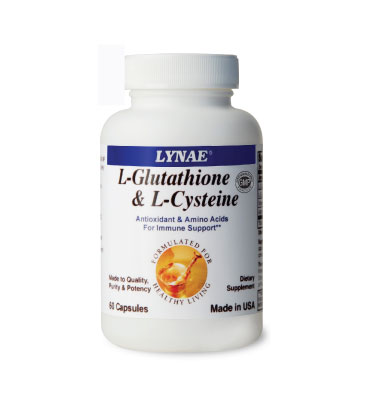
When you compare L- glutathione vs glutathione, the format is usually where the “real distinction” sits. Look for clear label information, not just a catchy phrase. Common product formats you’ll see:
- Reduced glutathione (GSH): often the form referenced as the active, antioxidant-capable version.
- L- glutathione (as wording): frequently used to specify the reduced form or amino-acid stereochemistry.
- Liposomal glutathione: attempts to improve delivery in the gut.
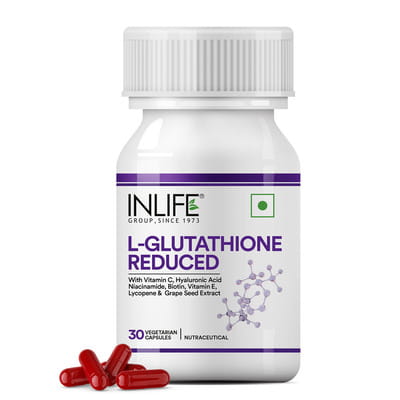
- Glutathione + supportive antioxidants: common add-ons include vitamin C (sometimes NAC or other compounds).
Quality signals you can look for before buying:
- Clear dosage per serving: ideally in milligrams of glutathione (not only “proprietary blend” totals).
- Form clarity: “reduced” or “liposomal” or another specific form listed plainly.
- Third-party testing: certificates of analysis (CoA) or testing references you can access.
- Reasonable excipients: avoid overly complex blends if you only want glutathione.
- Transparent sourcing: ingredient origin and manufacturing standards.
Product direction example (not a promise): if you’re shopping for a practical “daily routine” supplement, a formula that combines glutathione with vitamin C and other supportive ingredients can be attractive—but also increases the variables. If you’re trying to isolate effects, simpler formulas often make it easier to tell what’s happening.
Comparison of Common Options
| Format | Typical Dose/Use | Pros | Cons | Cost | Best For |
|---|---|---|---|---|---|
| Glutathione (generic labeling) | Commonly 250–500 mg daily; sometimes 1–2x/day | Often simpler to buy; straightforward label | Form clarity can be vague; dosing transparency varies | Low to mid | Budget-first antioxidant routines |
| L- glutathione / Reduced glutathione | Commonly 250–600 mg daily; sometimes 2x/day | Clearer “active form” positioning; aligns with basic antioxidant intent | Oral absorption still varies; “L-” alone doesn’t ensure better outcomes | Mid | Consumers who want a standard, single-target approach |
| Liposomal glutathione | Often 100–300 mg daily (sometimes higher); follow label | Delivery-focused; can be easier to tolerate for some people | More expensive; fewer direct head-to-head comparisons | Mid to high | Buyers optimizing for absorption strategy |
| Glutathione blend (e.g., with vitamin C) | Glutathione 100–500 mg + vitamin C often 50–500 mg; daily | Supportive synergy approach; may help general antioxidant planning | Harder to isolate which ingredient helped (or irritated) | Mid | General wellness stacks with fewer “single variable” goals |
| NAC + glutathione support style products (related, not always direct glutathione) | NAC 250–600 mg daily; glutathione may be absent or secondary | Targets upstream glutathione availability for some consumers | Not the same as taking glutathione; can cause GI effects in some | Low to mid | People who prefer “support the system” upstream |
Note: Typical doses here reflect common consumer use patterns; always follow the product label and your clinician’s guidance.
Buying Framework and Red Flags
Think of buying glutathione as selecting a tool for an experiment. Use this checklist to reduce the chance of wasting money or buying something poorly defined.
- Form clarity: Can you tell whether it’s reduced glutathione, liposomal glutathione, or another specific form?
- Exact dosage: Does the label show milligrams of glutathione per serving (not only a proprietary blend)?
- Time horizon fit: Does the product avoid unrealistic “instant results” language? (If it promises fast, guaranteed outcomes, treat it as a red flag.)
- Quality signals: Any third-party testing or manufacturing standard references?
- Ingredient sanity: No excessive extras if you’re trying to isolate effects.
- Price-per-serving reasonableness: Compare cost on a per-month basis, not per-bottle.
- Return policy / customer support: Not a guarantee, but helps if you get side effects or poor batch quality.
Red flags I personally avoid: products that heavily lean on “whitening” or “detox” promises without evidence context, labels that hide the true dosage inside a blend, and formulas that sound sophisticated but don’t specify what you’re actually swallowing in milligrams.
What Research Suggests and What It Doesn't (Revisited: evidence vs expectation)
If you’re deciding between L- glutathione vs glutathione for a specific goal—like wellness support or skin appearance—keep the evidence mindset. Evidence can suggest antioxidant involvement and possible benefits for certain endpoints, but it rarely guarantees consistent, fast results across all people. A cautious consumer posture is: pick a decent product, use it consistently, track changes honestly, and stop if you get side effects or if the results don’t justify the cost after a realistic trial period.
Common Mistakes and How to Avoid Them
- Chasing “L-” as the only differentiator: Focus on form, dose, and quality signals.
- Buying based on skin claims: Skin outcomes are not guaranteed and depend on sun exposure and baseline skin biology.
- Under-dosing for the goal: Some blends may be low in actual glutathione per serving, even if the product looks full.
- Changing multiple things at once: If you start glutathione and also change sleep, diet, exercise, and new skincare, you won’t know what drove any effect.
- Ignoring tolerance: If you feel headaches, GI discomfort, or “off” sensations, don’t force it. Stop and reassess.
- Stopping too early or too late: Too early can miss slow changes; too late wastes money if it’s clearly not working for you.
FAQ
Is it proven that L- glutathione vs glutathione makes a real difference?
Evidence suggests glutathione plays a role in cellular redox processes, and some forms may differ in delivery. However, “L- glutathione” vs “glutathione” is not always studied as a strict head-to-head label comparison for the exact same outcomes. In practice, the most meaningful difference is usually the product form (reduced vs liposomal), dosage transparency, and study endpoint relevance—not the “L-” text alone.
How long does it take before you might notice benefits from glutathione (oral) for men 45–54?
Many consumers evaluate around 4–8 weeks for subtle wellness signals and longer if the goal is skin appearance. You can also do a short tolerance check within the first few days (stomach, energy stability, headaches). Clear “visible” changes, if they happen, are typically not immediate.
What side effects can happen from L- glutathione supplements?
Reported issues are usually mild and vary by person—commonly stomach upset, nausea, headache, or feeling “off.” Because formulas differ (especially blends), side effects can come from glutathione itself or added ingredients. If symptoms persist or worsen, stop and seek medical guidance.
Can you combine glutathione with vitamin C or NAC?
Some products already combine glutathione with vitamin C, and others suggest stacking with NAC (or similar support). Combining can make sense for antioxidant-focused routines, but it also complicates attribution if you feel benefits (or side effects). If you combine, introduce one new product at a time and watch tolerance. If you take medications or have medical conditions, confirm safety with a clinician.
Oral vs injection: what’s the difference between glutathione and alternative routes?
Oral supplements aim for digestive absorption and delivery to support antioxidant pathways, while injection approaches are typically discussed in clinical or supervised contexts and are not the same as over-the-counter use. Oral vs injection isn’t simply “better vs worse”—it changes exposure profile, dosing control, and safety considerations. Don’t self-direct injection routes; if you’re considering alternatives, talk to a qualified healthcare professional.
What Research Suggests and What It Doesn't (Short Video Context)
If you prefer visual explanations of glutathione formulations and common claims, this video can help you map the language you’ll see on product pages.
A Practical 2-Week Experiment Framework
You don’t need to wait weeks to know if a supplement is a fit. Use these steps to evaluate tolerance, adherence, and early signals.
- Pick one product and one variable: Choose either L- glutathione (or reduced glutathione) or another specific form. Don’t start two new antioxidants at once.
- Baseline notes (Day 1): Write down sleep quality, stomach comfort, energy stability, exercise recovery feeling, and any skin observations (photos are optional but consistent lighting helps).
- Start with label dosing (Days 2–7): Take it the way the label says. If you’re sensitive, consider starting at the lower end of the labeled approach, then moving to full dose only if you feel fine.
- Check tolerance mid-week: If you get headaches, GI upset, or mood changes, stop and reassess the ingredient mix.
- Adherence check (Days 8–14): Evaluate whether you actually took it consistently. Many “no results” stories are adherence stories.
- Decision rule:
- Continue to a longer trial if tolerance is good and you notice at least one subtle, plausible improvement (energy steadiness, better digestion, less fatigue).
- Stop or switch if you get side effects or if nothing changes in a way that feels worth the cost.
This is not a cure protocol—just a realistic consumer test for fit and cost-effectiveness.
If you want a second viewing of the same topic, use this link again for recap.
About the Author
Jordan Reyes is a supplement-review writer who focuses on evidence-informed ingredient analysis and real-world consumer testing. Over the last several years, Jordan has evaluated antioxidant-focused supplements by tracking label transparency (dose, form, third-party testing), tolerability, and how outcomes align with the product’s stated claims. Jordan’s work emphasizes cautious expectations: improvements, if they happen, tend to be subtle and incremental rather than dramatic transformations.
Disclaimer: This article is for informational purposes and reflects consumer-style evaluation, not medical advice. Glutathione supplements may not be appropriate for everyone. If you have a medical condition, take prescription medications, are undergoing treatment, or you’re considering combining supplements, consult a qualified healthcare professional for personalized guidance.
Discussion